
Inlays & Onlays
Losing part of a tooth from decay or a crack can make chewing harder and may leave you worried about future damage, and inlays and onlays offer a conservative way to strengthen that tooth without covering it completely. At Smile Fitness Dental Center, we design these restorations to match your bite, color, and everyday function.
Why Conservative Repair Can Protect Your Tooth
When decay or damage sits between a small filling and a full crown, a custom tooth restoration like an inlay or onlay can be a strong middle-ground solution. It reinforces only the weakened part of your tooth, helping protect healthy structure while bringing back comfortable chewing and a natural appearance. This approach can reduce the risk of future fractures and keep your tooth feeling more like itself.
What to Expect from Your Inlays and Onlays Treatment
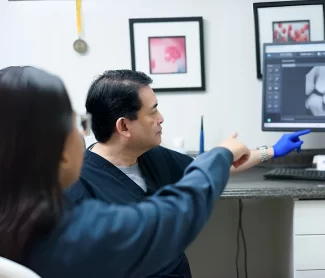
We start by checking the tooth, reviewing imaging, and talking with you about your symptoms and goals, so we can plan the right inlays and onlays treatment for your tooth. After shaping the area and taking precise digital or traditional impressions, we place a temporary filling if needed. A lab then crafts your custom inlay or onlay, and at your next appointment, we bond it in place, check your bite, and make small adjustments so it feels smooth and comfortable.
How We Support Comfort and Safety During Repair
Many patients feel nervous about having a tooth rebuilt, especially if they have had past sensitivity, so we use local anesthesia and a calm, step-by-step approach when planning your dental onlay restoration. We explain each step as we go and review what you may feel afterward. If you ever have questions during or after your appointment, our team is ready to help.
Who May Benefit from These Precision Restorations
Inlays and onlays can be a good option if you have moderate decay, a large old filling, or a fracture that is too big for a simple repair but doesn’t yet require a full crown, and ceramic inlays and onlays can blend closely with your natural enamel. Patients who clench or chew on one side often appreciate the added strength and coverage, and we’ll help you decide if this type of restoration fits your long-term needs.
FAQs
In many cases, we use porcelain inlays and onlays or high-strength ceramics that are color-matched to your teeth. These materials are chosen for durability and appearance, and we’ll talk through which option best supports your bite, habits, and aesthetic goals.
If you’re searching for inlays and onlay, you may have a tooth that’s too damaged for a small filling but still has enough healthy structure to avoid a full crown. After an exam and X-rays, we’ll explain your options in simple, clear terms.
Daily brushing, flossing, and regular checkups are usually enough to keep these restorations in good shape. We’ll show you how to clean around the edges, discuss helpful tools if you have tight spaces, and talk about habits like grinding that may need attention.